Tumor & Vascular Treatment
Uterine Fibroid Embolization
Minimally Invasive, Image-Guided Treatment for Uterine Fibroids Without Major Surgery
Chat with Dr. Apo on FacebookAffiliated hospitals
















What Is Uterine Fibroid Embolization?
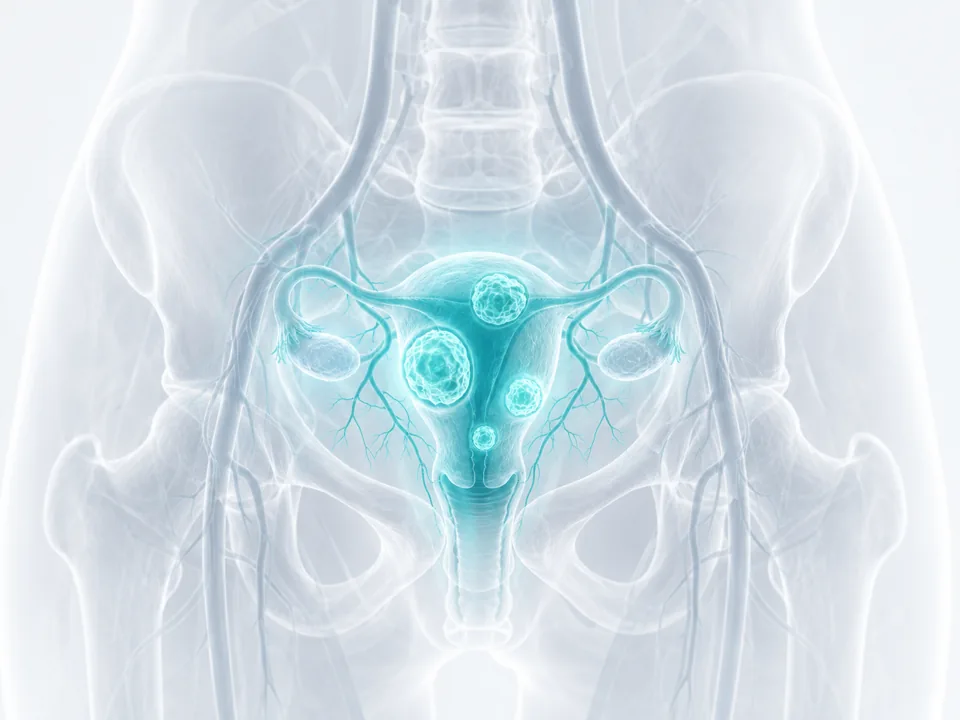
Uterine Fibroid Embolization (UFE) is a minimally invasive treatment that blocks the blood supply to fibroids in the uterus, causing them to shrink over time. Using image guidance, a catheter is inserted into the uterine arteries, and tiny particles are injected to block the blood flow to the fibroids.
This procedure offers an effective alternative to surgery for women suffering from heavy bleeding, pelvic pain, or pressure due to fibroids—without needing to remove the uterus.
Who Is It For?
UFE is ideal for women who:
- Have symptomatic fibroids (e.g., heavy menstrual bleeding, pelvic pain, pressure)
- Want to avoid surgery such as hysterectomy or myomectomy
- Prefer a uterus-sparing, minimally invasive option
- Are not planning to become pregnant in the future (UFE is not recommended for women actively pursuing pregnancy)
Key Benefits
Common Uses
Clinic Hours
Weekly Schedule
Strictly by Appointment · No Walk-ins
Primary clinic
Olistico Health Manila
Unit 404, West East Center, 1332-1336 Taft Ave, Ermita, Manila