Drainage Procedure

Abscess Drainage — Expert, Minimally Invasive Treatment

Ultrasound or CT-guided needle and catheter drainage of infected fluid collections (abscesses) in the abdomen, pelvis, chest—or wherever they occur.

Chat with Dr. Apo on Facebook

Affiliated hospitals

Philippine General Hospital
Asian Hospital and Medical Center
Manila Doctors Hospital
ManilaMed – Medical Center Manila
Angeles University Foundation Medical Center
World Citi Medical Center
Cabrini Medical Center
Dagupan Doctors Villaflor Memorial Hospital
Fe del Mundo Medical Center
Global Care Medical Center
Medical Center Taguig
Ospital ng Maynila
Prime Scan
San Juan de Dios Hospital
Laguna Doctors Hospital
Dr. Jeffrey P. Apo, Interventional Radiologist in Metro Manila

What Is Abscess Drainage?

An abscess is a localized pocket of infected fluid causing pain, swelling, or systemic symptoms like fever and chills. Percutaneous abscess drainage is a minimally invasive procedure where Dr. Apo uses imaging guidance to place a needle directly into the abscess, then leaves a small catheter in place to continuously drain the infection. This method provides faster recovery and lower risk compared to open surgical drainage.
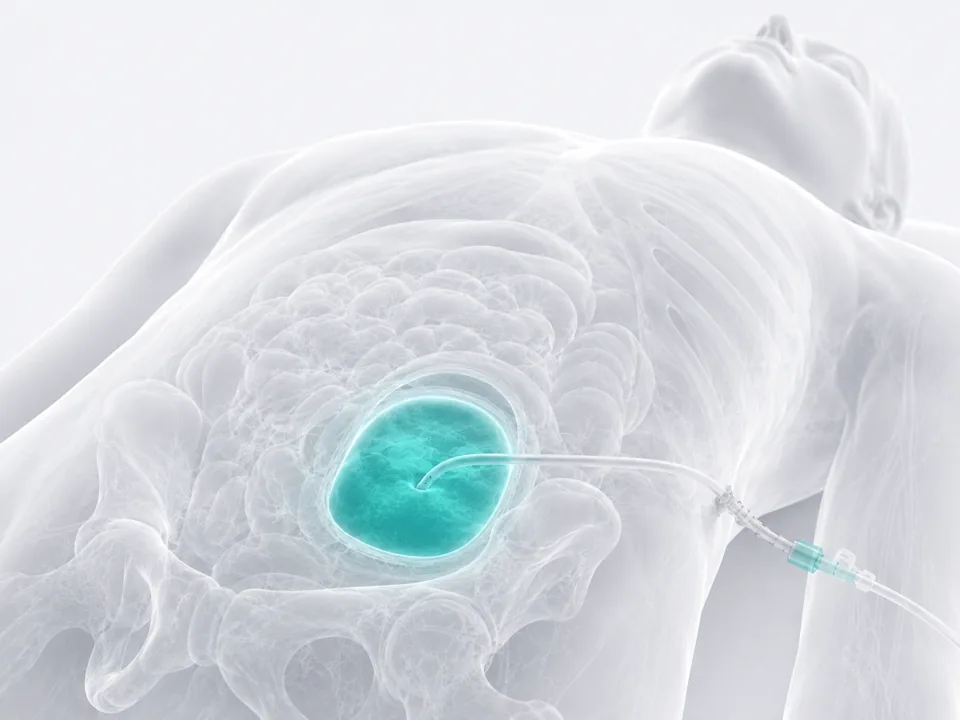
Abscess Drainage — image-guided procedure by Dr. Jeffrey Apo, Interventional Radiologist in Manila

Who Is It For?

This treatment is ideal for patients who have:

  • Infected fluid collections in the abdomen, pelvis, chest, liver, spleen, or deep muscle (e.g., psoas abscesses)
  • Postsurgical collections that fail to resolve with medication alone
  • Conditions such as diverticulitis-related abscess, appendiceal abscess, or subphrenic collections

Key Benefits

Minimally invasive — only a small skin nick is needed
Gentle recovery — often outpatient or short hospital stay
Highly effective — success rates exceed 80% in many cases
Direct relief from infection, pain, and swelling
Imaging guidance ensures precision and avoids complications

Common Uses

Abdominal and pelvic abscesses (like from appendicitis or surgery)Liver or splenic abscessesDeep collections such as psoas or subphrenic abscessesChest cavity abscesses (empyema) or other fluid pockets
Dr. Jeffrey P. Apo, Interventional Radiologist
Talk to Dr. Apo
Have a referral or questions about your scan?
Message on Facebook
Local
Anesthesia
Outpatient
Setting
Same day
Recovery

Clinic Hours

Weekly Schedule

Monday
1:00 – 5:00 PMFe del Mundo Medical Center
Tuesday
2:00 – 5:00 PMOlistico Health Manila
Wednesday
12:00 NN – 2:00 PMSan Juan de Dios Hospital
Thursday
9:00 AM – 12:00 NNPhilippine General Hospital
Friday
12:00 NN – 2:00 PMSan Juan de Dios Hospital
Saturday
10:00 AM – 12:00 NNPhilippine General Hospital
3:00 – 4:00 PMOlistico Health Manila

Strictly by Appointment · No Walk-ins

Primary clinic

Olistico Health Manila

Unit 404, West East Center, 1332-1336 Taft Ave, Ermita, Manila

Book an Appointment →

FAQs: Abscess Drainage

How should I prepare?
Dr. Apo will ask about your medications and may request bloodwork and imaging beforehand. Fasting is often required.
What happens during the procedure?
You’ll stay comfortable with local anesthesia (and possibly mild sedation). A thin catheter is inserted guided by imaging; you’ll feel pressure but minimal discomfort.
What should I expect afterward?
You’re usually observed for a few hours or overnight. Drainage often continues for several days. Removal occurs once fluid stops and your symptoms resolve.

Still have questions about a procedure?

Our team is here to help.

Message Us Now
Chat with Dr. Apo