Drainage Procedure
Pigtail Catheter Insertion – Minimally Invasive Drainage Solution
Targeted drainage for fluid collections such as pleural effusion, abscesses, or ascites—without the need for open surgery.
Chat with Dr. Apo on FacebookAffiliated hospitals
















What Is a Pigtail Catheter Insertion?
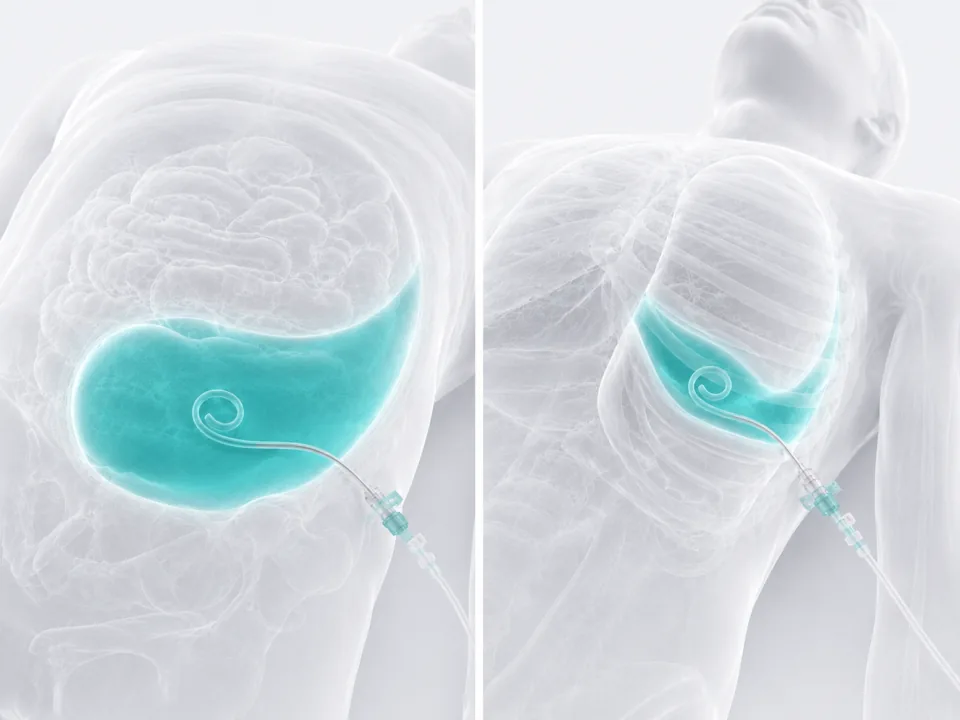
Pigtail catheter insertion is a minimally invasive procedure where a small, flexible tube (with a curled “pigtail” tip) is guided—often with ultrasound or CT—into an area of fluid accumulation (like an abscess or pleural effusion) or trapped air (e.g., pneumothorax). Once placed, the catheter allows continuous drainage into a collection bag until the underlying issue resolves
Who Is It For?
Ideal for patients who:
- Have symptomatic fluid collections in the chest, abdomen, liver, kidneys, or pleura.
- Need less invasive alternatives to surgical drainage or chest tubes.
- Prefer an outpatient or shorter hospital stay (e.g., pleural effusion, abscess).
Key Benefits
Less trauma and discomfort compared to large-bore chest tubes or surgery
Immediate relief from symptoms like breathlessness, bloatedness, or pain.
Effective in ≥90% of uncomplicated cases with real-time image guidance.
Lower risk of complications and shorter recovery time.
Common Uses
Pleural effusion and pneumothorax drainageLiver, renal, splenic, or psoas abscess drainageMalignant ascites (as a temporary/palliative treatment).
Talk to Dr. Apo
Have a referral or questions about your scan?
Local
Anesthesia
Outpatient
Setting
Same day
Recovery
Clinic Hours
Weekly Schedule
Monday
1:00 – 5:00 PMFe del Mundo Medical Center
Tuesday
2:00 – 5:00 PMOlistico Health Manila
Wednesday
12:00 NN – 2:00 PMSan Juan de Dios Hospital
Thursday
9:00 AM – 12:00 NNPhilippine General Hospital
Friday
12:00 NN – 2:00 PMSan Juan de Dios Hospital
Saturday
10:00 AM – 12:00 NNPhilippine General Hospital
3:00 – 4:00 PMOlistico Health Manila
Strictly by Appointment · No Walk-ins
Primary clinic
Olistico Health Manila
Unit 404, West East Center, 1332-1336 Taft Ave, Ermita, Manila
FAQs: Pigtail Catheter Insertion
How should I prepare for the procedure?
Dr. Apo will guide you through pre-procedure tests (bloodwork, imaging) and medication review. You may eat/drink as instructed, and arrival 1 – 2 hours before is usually needed.
What happens during the procedure?
You’ll be under local anesthesia (plus mild sedation if needed). Using imaging guidance, Dr. Apo inserts a needle into the collection, advances a wire, then places the pigtail catheter. The curled tip secures its position, and drainage begins.
What should I expect afterward?
You’ll typically be observed for a few hours or overnight. The catheter drains automatically into a bag. Minor discomfort or bruising at the insertion site is common. Catheter removal usually happens after drainage is complete, or as long as it is needed until the underlying cause is resolved. Changing of catheter every 3 to 6 months to prevent infection and catheter degradation.