Tumor & Vascular Treatment
Sclerotherapy – Treating Vascular & Lymphatic Lesions
Minimally invasive treatment for recurrent cystic lesions, hemangiomas, lymphangiomas, and vascular malformations
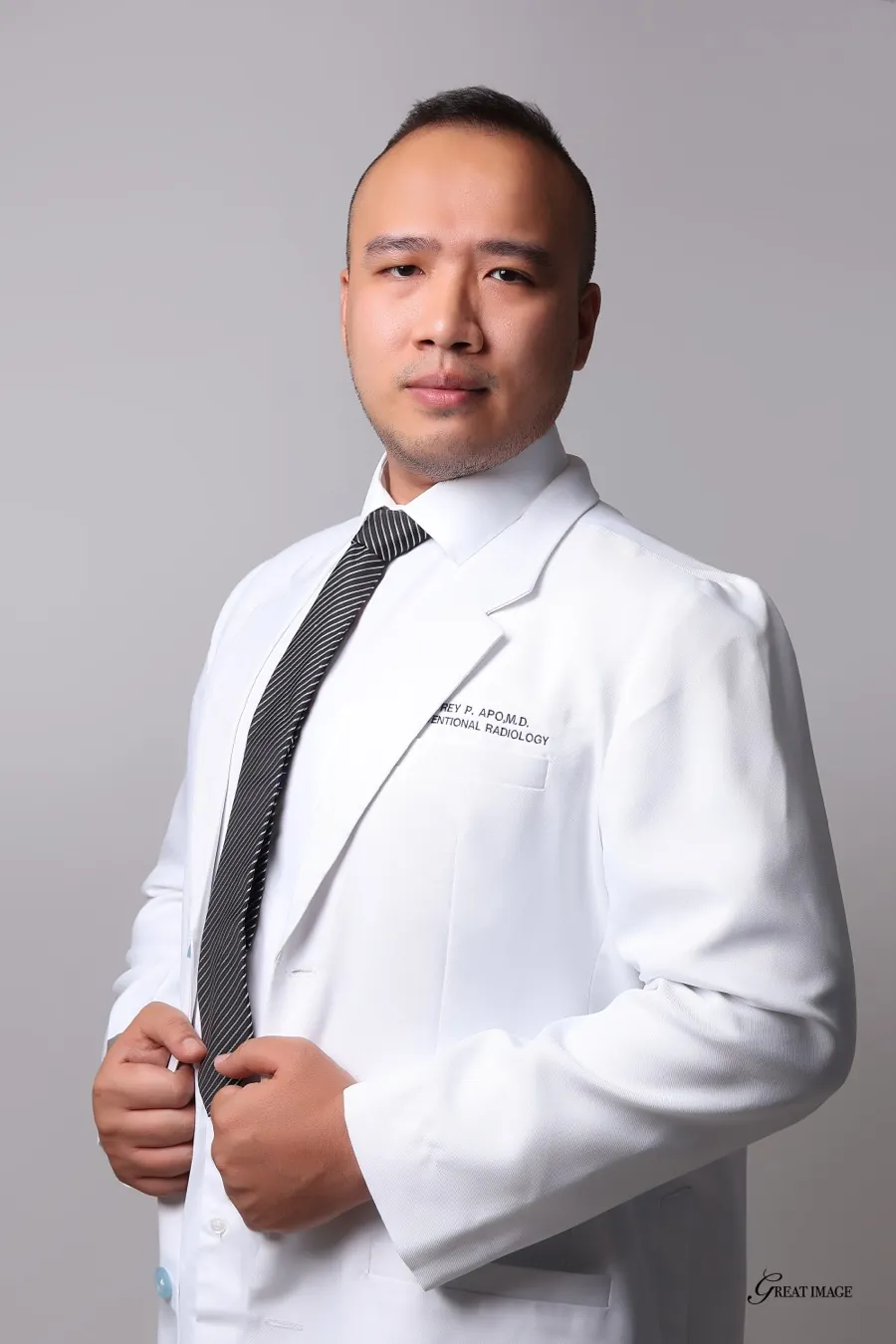
Chat with Dr. Apo on FacebookAffiliated hospitals












What Is Sclerotherapy?
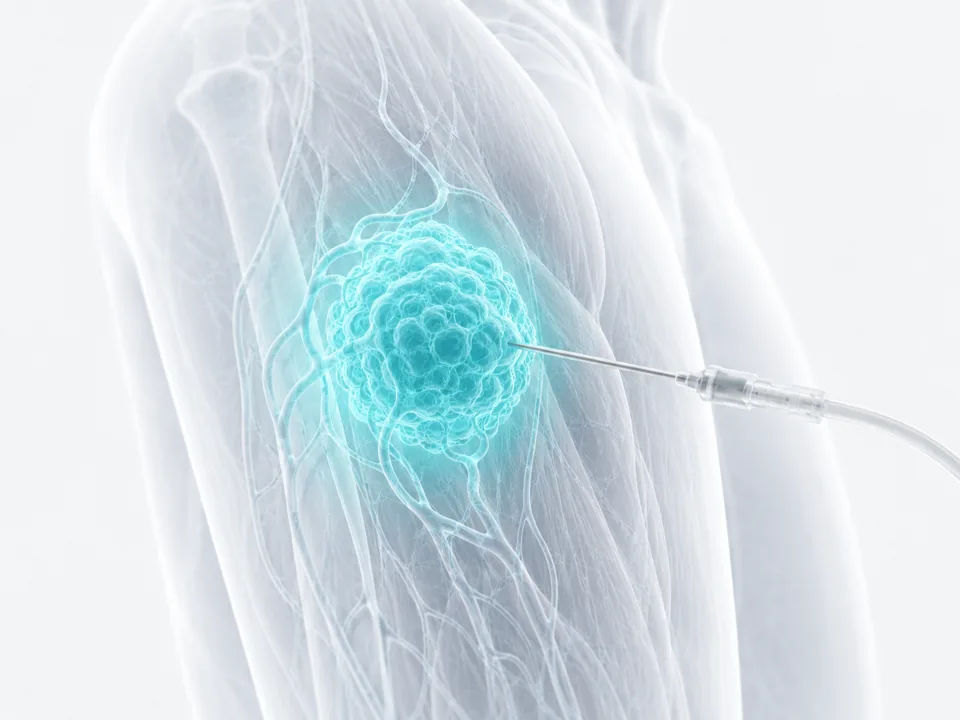
Sclerotherapy is a minimally invasive procedure where a special solution is injected directly into vascular or lymphatic lesions—such as recurrent cysts, lymphangiomas, hemangiomas, or low-flow vascular malformations. The solution irritates the lining of the vessels or cysts, causing them to collapse and gradually be absorbed.
Who Is It For?
This treatment is ideal for patients with:
- Recurrent cystic lesions, including lymphatic (lymphangiomas) and blood vessel growths (hemangiomas)
- Low‑flow vascular malformations (e.g. venous or lymphatic) causing discomfort, swelling, or occasional bleeding
- People wanting a non-surgical, image-guided option instead of excision
Key Benefits
Targeted, image-guided injections using ultrasound or fluoroscopy
No general anesthesia—performed in a minor procedure setting
Sclerosant solutions (bleomycin, doxycycline, polidocanol) induce controlled vessel closure
Typically safe and effective—especially for cystic and macrocystic lesions
Common Uses
Lymphangiomas (cystic hygromas), especially in head/neck regionHemangiomas, particularly when surgery is difficultLow-flow vascular malformations, including venous or lymphatic malformations
Talk to Dr. Apo
Have a referral or questions about your scan?
Local
Anesthesia
Outpatient
Setting
Same day
Recovery
Clinic Hours
Weekly Schedule
Monday
1:00 – 5:00 PMFe del Mundo Medical Center
Tuesday
2:00 – 5:00 PMOlistico Health Manila
Wednesday
12:00 NN – 2:00 PMSan Juan de Dios Hospital
Thursday
9:00 AM – 12:00 NNPhilippine General Hospital
Friday
12:00 NN – 2:00 PMSan Juan de Dios Hospital
Saturday
10:00 AM – 12:00 NNPhilippine General Hospital
3:00 – 4:00 PMOlistico Health Manila
Strictly by Appointment · No Walk-ins
Primary clinic
Olistico Health Manila
Unit 404, West East Center, 1332-1336 Taft Ave, Ermita, Manila
FAQs: Sclerotherapy
How do I prepare for sclerotherapy?
Avoid blood thinners days before. Wear loose clothes and plan for someone to pick you up—procedure uses only mild sedation.
What happens during the procedure?
Dr. Apo will use ultrasound or imaging to guide a fine needle into the lesion, inject a sclerosant (like bleomycin or polidocanol), and then monitor it.
How many sessions are needed and when will I see results?
Cystic lesions often respond after 2–3 sessions, but mixed or microcystic types may require more. Lesions begin to shrink within weeks; full effect may take months.
What should I expect after treatment?
You might feel mild pain or swelling at the site and may see bruising or pigment changes. Most side effects are minor and temporary.