Diagnostic Procedure
Angiography – Advanced Vascular Imaging & Treatment
Real-time, minimally invasive X-ray–guided evaluation and therapy for blocked or abnormal blood vessels
Chat with Dr. Apo on FacebookAffiliated hospitals
















What Is Angiography?
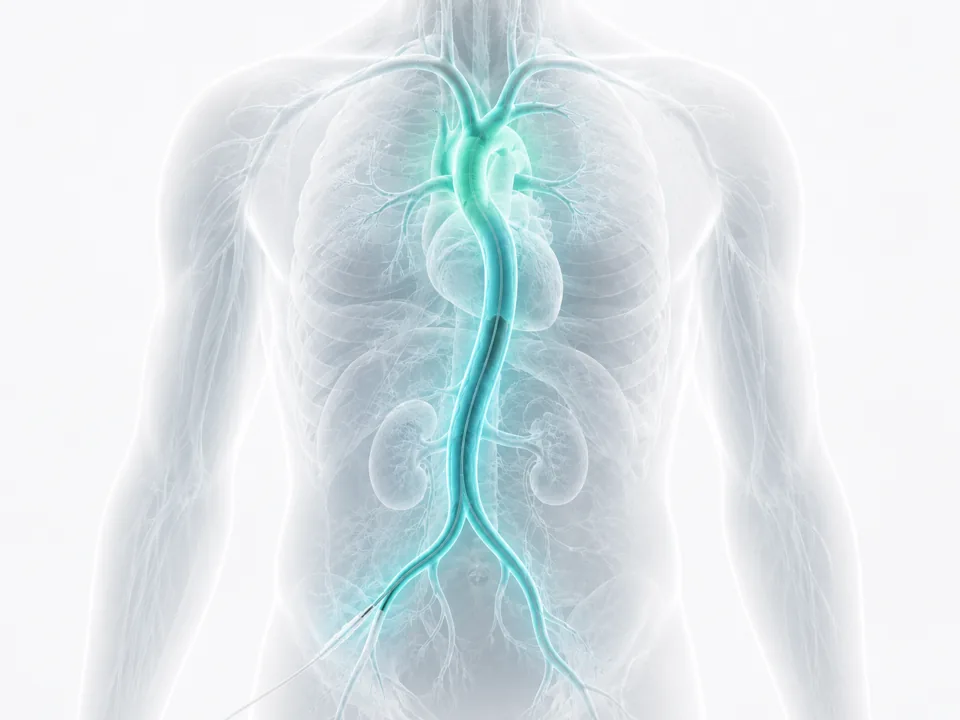
Angiography is a minimally invasive procedure that uses X‑ray imaging and contrast dye to visualize blood vessels. A thin catheter is inserted—typically through the wrist or groin—and guided to the target area. This enables doctors to detect and treat vessel problems such as blockages, aneurysms, or malformations, often in the same session.
Who Is It For?
Angiography is ideal for patients who need:
- A detailed evaluation of narrowed or blocked arteries (e.g., coronary, cerebral, peripheral)
- Immediate intervention using minimally invasive techniques during the same procedure
- Identification and treatment of aneurysms, vascular malformations, or pulmonary embolisms
Key Benefits
Real-time, dynamic visualization of blood vessels
Done under local anesthesia; often outpatient with quick recovery
Minimally invasive approach—only a small puncture required
Diagnosis and treatment in one session (e.g., stent placement, balloon angioplasty)
Common Uses
Coronary angiography for heart arteriesCerebral angiography for brain aneurysms or AVMsPulmonary angiography for lung clotsPeripheral angiography for leg or arm vascular disease
Talk to Dr. Apo
Have a referral or questions about your scan?
Local
Anesthesia
Outpatient
Setting
Same day
Recovery
Clinic Hours
Weekly Schedule
Monday
1:00 – 5:00 PMFe del Mundo Medical Center
Tuesday
2:00 – 5:00 PMOlistico Health Manila
Wednesday
12:00 NN – 2:00 PMSan Juan de Dios Hospital
Thursday
9:00 AM – 12:00 NNPhilippine General Hospital
Friday
12:00 NN – 2:00 PMSan Juan de Dios Hospital
Saturday
10:00 AM – 12:00 NNPhilippine General Hospital
3:00 – 4:00 PMOlistico Health Manila
Strictly by Appointment · No Walk-ins
Primary clinic
Olistico Health Manila
Unit 404, West East Center, 1332-1336 Taft Ave, Ermita, Manila
FAQs: Angiography
How do I prepare for an angiogram?
Fast for ~6 hours before the procedure. Some medications like blood thinners may need adjustment—Dr. Apo will advise.
What happens during the procedure?
A catheter is inserted under local anesthesia. Contrast dye is injected while X‑rays are taken. If needed, Dr. Apo can perform angioplasty or stenting on the spot.
How long does recovery take and what should I expect?
The angiography procedure typically takes 30 to 60 minutes, but a minimum of 3 days of hospital admission is required for monitoring and recovery. Avoid strenuous activity or heavy lifting for at least a week after discharge.