Drainage Procedure
Thoracentesis – Fast Relief from Chest Fluid
Real‑time ultrasound‑guided chest tap to ease breathing and diagnose underlying issues.
Chat with Dr. Apo on FacebookAffiliated hospitals














What Is Thoracentesis?
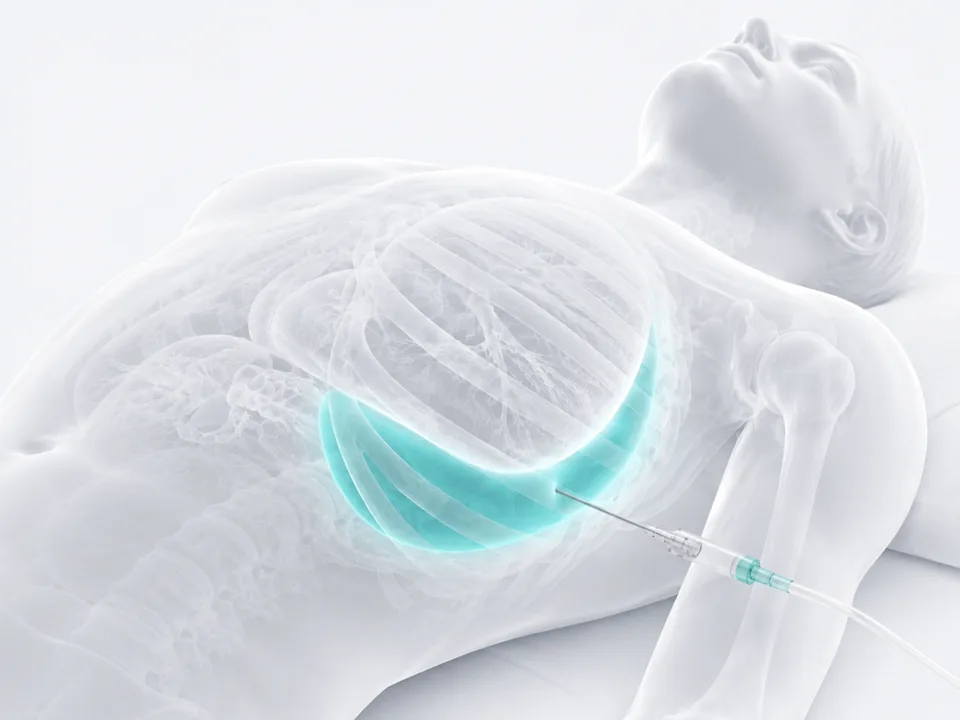
Thoracentesis is a minimally invasive procedure that uses a needle (and sometimes a small catheter) to safely drain excess fluid or air from the space around your lungs (the pleural cavity). It’s done while you’re awake and guided by ultrasound. This fluid can then be tested for infection, cancer, or inflammation and removing it often improves symptoms like chest tightness and shortness of breath.
Who Is It For?
Ideal patients include those who:
- Feel breathless or tight-chested due to fluid buildup
- Had fluid re-accumulation despite ongoing treatment
- Need fluid analysis to investigate infections, cancer, or heart/lung disease
Key Benefits
Diagnostic & Symptomatic – Helps confirm a cause (infection, cancer) and often immediately relieves breathing issues
Minimally Invasive – Just a needle or thin catheter under local anesthesia, sometimes in one quick session
Rapid Recovery – Most patients go home the same day; discomfort is mild and brief
Common Uses
Drain splashes of fluid or air in the lungs (pleural effusion, pneumothorax)Investigate causes like infection, lung cancer, heart failure, or TBRepeated fluid removal can be managed with a small catheter tube if needed
Talk to Dr. Apo
Have a referral or questions about your scan?
Local
Anesthesia
Outpatient
Setting
Same day
Recovery
Clinic Hours
Weekly Schedule
Monday
1:00 – 5:00 PMFe del Mundo Medical Center
Tuesday
2:00 – 5:00 PMOlistico Health Manila
Wednesday
12:00 NN – 2:00 PMSan Juan de Dios Hospital
Thursday
9:00 AM – 12:00 NNPhilippine General Hospital
Friday
12:00 NN – 2:00 PMSan Juan de Dios Hospital
Saturday
10:00 AM – 12:00 NNPhilippine General Hospital
3:00 – 4:00 PMOlistico Health Manila
Strictly by Appointment · No Walk-ins
Primary clinic
Olistico Health Manila
Unit 404, West East Center, 1332-1336 Taft Ave, Ermita, Manila
FAQs: Thoracentesis
How should I prepare for the procedure?
- You may need to pause blood thinners—Dr. Apo will guide you.
- An ultrasound or chest X-ray helps find the best site. Sit leaning forward or supine during the procedure.
What can I expect during the procedure?
- A small needle (or catheter) is inserted between your ribs using a local numbing agent.
- You may feel pressure or an urge to cough as fluid drains and your lung re‑expands
- The procedure typically takes 15–20 minutes
What’s recovery like?
- Most go home the same day after a brief period of observation and a chest X-ray
- Chest soreness or minor fluid leakage at the site is normal for 1–2 days
- Avoid heavy exercise and take it easy for 1–2 days; oral pain medication as needed