Tumor & Vascular Treatment
Tumor Embolization – Targeted, Minimally Invasive Cancer Treatment
Precise, image-guided procedure to block blood vessels feeding tumors or deliver cancer-killing medication directly.
Chat with Dr. Apo on FacebookAffiliated hospitals
















What Is Tumor Embolization?
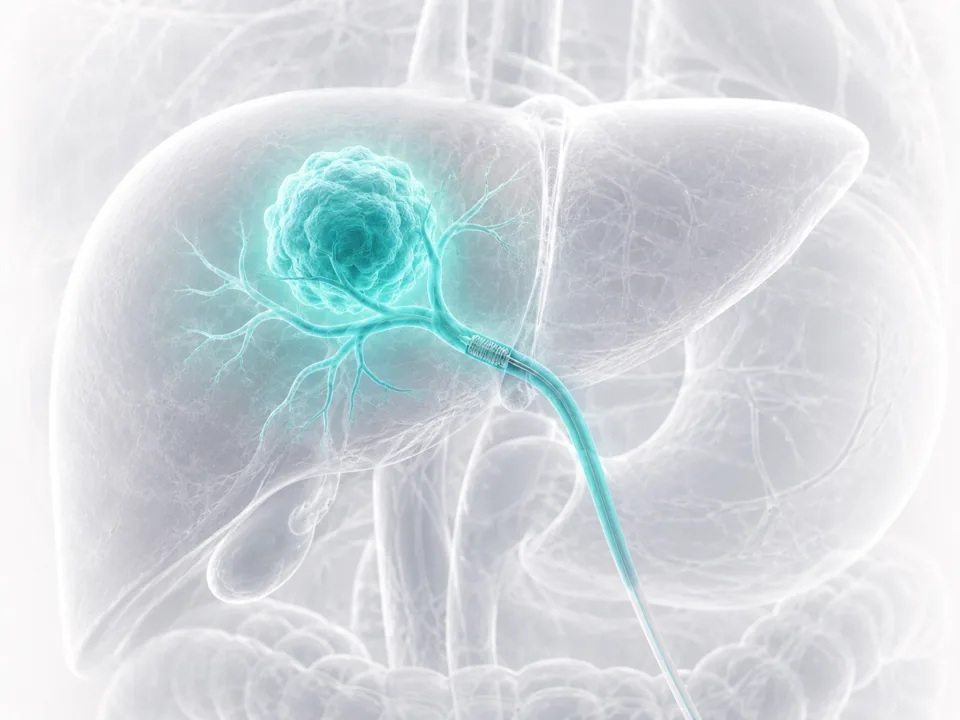
Tumor embolization is a minimally invasive, interventional radiology procedure in which a small catheter is threaded into the arteries supplying a tumor. The radiologist then injects embolic agents—such as tiny beads, coils, or chemotherapy-infused particles—that block blood flow and starve the tumor.
Who Is It For?
Ideal for patients with:
- Liver tumors (primary or metastatic)
- Uterine fibroids or other benign growths
- Renal tumors or vascular malformations
- Especially suited when tumors are hard to remove by surgery, or as a preparatory step to shrink tumors for safer surgical removal.
Key Benefits
Minimally invasive: small puncture, not open surgery.
Dual-action therapy: cuts off blood supply and can deliver medication/radiation directly.
Faster recovery with less pain and shorter hospitalization.
Highly targeted—spares healthy tissue.
Can be repeated or paired with future interventions.
Common Uses
Liver cancerUterine fibroidsKidney tumorsNon-cancerous masses and vascular abnormalities like aneurysms or arteriovenous malformations.
Talk to Dr. Apo
Have a referral or questions about your scan?
Local
Anesthesia
Outpatient
Setting
Same day
Recovery
Clinic Hours
Weekly Schedule
Monday
1:00 – 5:00 PMFe del Mundo Medical Center
Tuesday
2:00 – 5:00 PMOlistico Health Manila
Wednesday
12:00 NN – 2:00 PMSan Juan de Dios Hospital
Thursday
9:00 AM – 12:00 NNPhilippine General Hospital
Friday
12:00 NN – 2:00 PMSan Juan de Dios Hospital
Saturday
10:00 AM – 12:00 NNPhilippine General Hospital
3:00 – 4:00 PMOlistico Health Manila
Strictly by Appointment · No Walk-ins
Primary clinic
Olistico Health Manila
Unit 404, West East Center, 1332-1336 Taft Ave, Ermita, Manila
FAQs: Tumor Embolization
How should I prepare for a tumor embolization?
Dr. Apo will review your medications (especially blood thinners) and may request blood tests before the procedure. Fasting might be required the night before. The procedure is typically done with an anesthesiologist’s assistance.
How long does it take?
The embolization itself usually takes 1–2 hours. However, you’ll be admitted for at least 3 days, sometimes up to a week, depending on how you feel after the procedure.
What can I expect afterward?
Expect some mild pain, fatigue, and possibly flu-like symptoms (like low-grade fever or nausea) as the tumor responds to treatment. Imaging follow-ups are often scheduled 1–3 months after.