Drainage Procedure

Percutaneous Transhepatic Biliary Drainage (PTBD)

Minimally invasive bile duct drainage for obstruction and jaundice relief

Chat with Dr. Apo on Facebook

Affiliated hospitals

Philippine General Hospital
Asian Hospital and Medical Center
Manila Doctors Hospital
ManilaMed – Medical Center Manila
Angeles University Foundation Medical Center
World Citi Medical Center
Cabrini Medical Center
Dagupan Doctors Villaflor Memorial Hospital
Fe del Mundo Medical Center
Global Care Medical Center
Medical Center Taguig
Ospital ng Maynila
Prime Scan
San Juan de Dios Hospital
Laguna Doctors Hospital
Dr. Jeffrey P. Apo, Interventional Radiologist in Metro Manila

What Is PTBD?

PTBD is a minimally invasive image-guided procedure where a small catheter is inserted through the skin across the liver into a blocked bile duct to enable drainage of bile. This helps relieve pressure in the liver when natural bile flow into the intestine is impaired, commonly due to obstructions—for instance, from tumors or gallstones. Depending on anatomical access, the drainage can be external, internal/external, or through a stent.
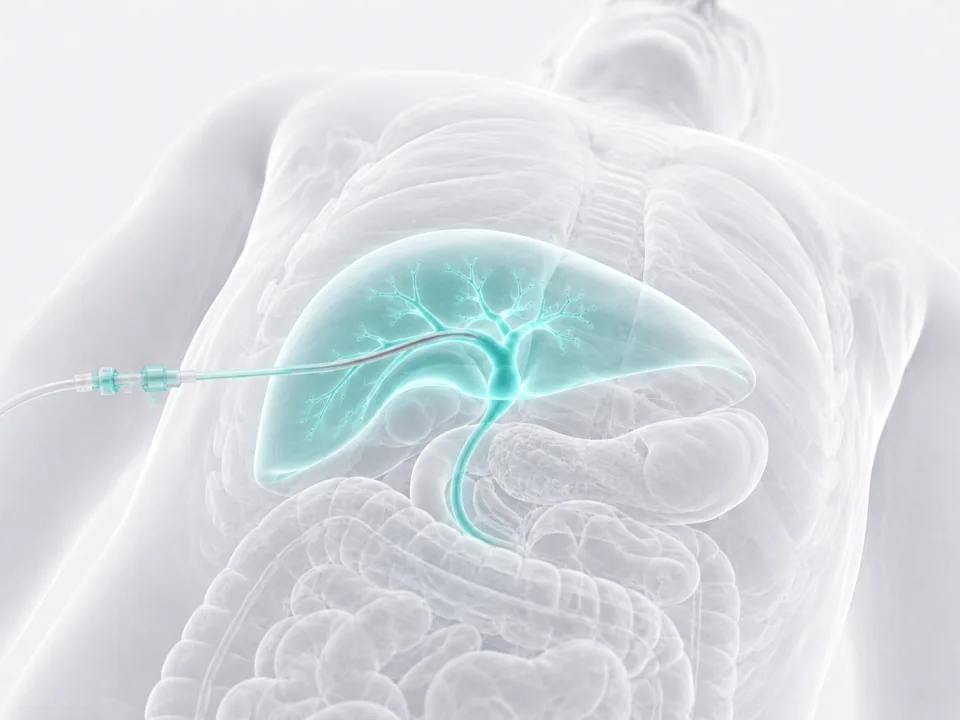
Biliary Drainage (PTBD) — image-guided procedure by Dr. Jeffrey Apo, Interventional Radiologist in Manila

Who Is It For?

Patients who are ideal candidates for PTBD include those experiencing obstructive jaundice or bile duct blockages caused by:

  • Tumors (pancreatic, bile duct, gallbladder cancer)
  • Gallstones lodged within bile pathways
  • Strictures, inflammation, or lymph node compression
  • Failed ERCP (endoscopic drainage procedures) due to anatomical or surgical constraints

Key Benefits

Effective bile decompression, especially when endoscopic maneuvers aren’t feasible
Can be used as a bridge to chemotherapy or ongoing cancer treatment
Offers flexible options: external, internal/external, or stent-based drainage
Helps control symptoms like jaundice, itching, and liver dysfunction

Common Uses

Malignant or benign bile duct obstructionsPreoperative preparation for bile ductsPalliative treatment in unresectable tumorsFailed or contraindicated ERCP cases
Dr. Jeffrey P. Apo, Interventional Radiologist
Talk to Dr. Apo
Have a referral or questions about your scan?
Message on Facebook
Local
Anesthesia
Outpatient
Setting
Same day
Recovery

Clinic Hours

Weekly Schedule

Monday
1:00 – 5:00 PMFe del Mundo Medical Center
Tuesday
2:00 – 5:00 PMOlistico Health Manila
Wednesday
12:00 NN – 2:00 PMSan Juan de Dios Hospital
Thursday
9:00 AM – 12:00 NNPhilippine General Hospital
Friday
12:00 NN – 2:00 PMSan Juan de Dios Hospital
Saturday
10:00 AM – 12:00 NNPhilippine General Hospital
3:00 – 4:00 PMOlistico Health Manila

Strictly by Appointment · No Walk-ins

Primary clinic

Olistico Health Manila

Unit 404, West East Center, 1332-1336 Taft Ave, Ermita, Manila

Book an Appointment →

FAQs: Biliary Drainage (PTBD)

How should I prepare?
You’ll need pre-procedure fasting (6–8 hours), cessation or review of blood thinners and imaging tests. Allergy information (especially to contrast dyes) is essential.
What happens during the procedure?
After numbing, a needle is guided into the liver’s bile ducts via imaging. After confirming duct anatomy with contrast (PTC), the catheter is placed, enabling drainage to a bag or the intestine.
How long will the catheter stay in place?
Drainage duration depends on clinical goals—whether temporary relief or palliative management. It may be in place from days to weeks. Internal stenting may follow to allow removal.

Still have questions about a procedure?

Our team is here to help.

Message Us Now
Chat with Dr. Apo