














What Is Abscess Drainage?
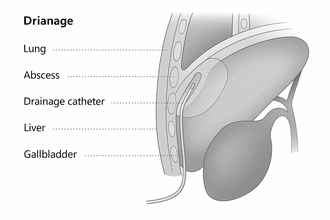
An abscess is a localized pocket of infected fluid causing pain, swelling, or systemic symptoms like fever and chills. Percutaneous abscess drainage is a minimally invasive procedure where Dr. Apo uses imaging guidance to place a needle directly into the abscess, then leaves a small catheter in place to continuously drain the infection. This method provides faster recovery and lower risk compared to open surgical drainage.
Who Is It For?
This treatment is ideal for patients who have:
- Infected fluid collections in the abdomen, pelvis, chest, liver, spleen, or deep muscle (e.g., psoas abscesses)
- Postsurgical collections that fail to resolve with medication alone
- Conditions such as diverticulitis-related abscess, appendiceal abscess, or subphrenic collections
Key Benefits:
- Minimally invasive — only a small skin nick is needed
- Gentle recovery — often outpatient or short hospital stay
- Highly effective — success rates exceed 80% in many cases
- Direct relief from infection, pain, and swelling
- Imaging guidance ensures precision and avoids complications
Common Uses:
- Abdominal and pelvic abscesses (like from appendicitis or surgery)
- Liver or splenic abscesses
- Deep collections such as psoas or subphrenic abscesses
- Chest cavity abscesses (empyema) or other fluid pockets