












Paracentesis – Fast Relief & Insight for Abdominal Fluid

Ultrasound‑guided removal of ascites for symptom relief or diagnosis

Dr. Jeffrey Apo

What Is Paracentesis?

A paracentesis is a minimally invasive procedure performed by Dr. Apo to drain excess fluid (ascites) from your abdomen and, if needed, analyze the fluid to find the cause.

How it works:

Under local anesthesia and ultrasound guidance, a thin needle and catheter are inserted into the peritoneal cavity to remove fluid safely.
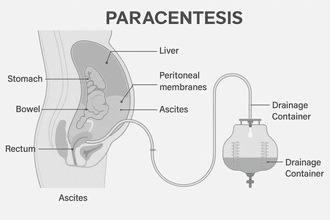
Paracentesis

Who Is It For?

Ideal for individuals experiencing:

  • Ascites due to liver cirrhosis, chronic kidney disease, heart failure, cancer, or infection
  • Symptoms like belly pressure, swelling, breathing difficulty, or unexplained abdominal pain

Key Benefits:

  • Reduces abdominal discomfort, bloating, and shortness of breath
  • Enables fluid testing to diagnose infections, cancer, or other causes
  • Provides rapid symptom relief and outpatient convenience

Common Uses:

  • Diagnostic: infection screening (e.g. spontaneous bacterial peritonitis), cancer detection, determining fluid cause
  • Therapeutic: easing pressure from large-volume ascites (eg, removing 5 L+ of fluid)

Why Choose Dr. Apo?

Hospital Affiliations

Clinic Schedule

 Olistico Health Manila
Clinic Schedule

Unit 404, West East Center
1332-1336 Taft Ave, Ermita, Manila
Strictly by Appointment
No Walk-ins Allowed

Tuesday 3PM – 4PM
Friday 3PM – 4PM
Saturday 3PM – 4PM
Olistico Health - West East Center Manila

FAQs: Paracentesis

You’ll be asked about your medical history and medications. Please empty your bladder beforehand. You might need to pause blood thinners as advised by Dr. Apo.

Typically 30 minutes to 2 hours, depending on how much fluid is removed

  • You’ll receive local anesthesia in the puncture site and lie comfortably.
  • Guided by ultrasound, Dr. Apo inserts a needle and catheter to gently drain fluid.
  • You may feel mild pressure but no intense pain.

Post-procedure, a small bandage is applied. Most patients go home after observation—no hospital stay unless draining very large volumes

Still have questions about a procedure?

Our team is here to help.