













Transarterial Chemoembolization

Minimally invasive chemo + arterial blockage—treatment for unresectable liver lesions

Dr. Jeffrey Apo

What Is Transarterial Chemoembolization?

TACE is a minimally invasive, image-guided treatment for liver tumors. A catheter is inserted—usually via the groin—into the hepatic artery. Chemotherapy and tiny embolic particles are delivered directly into the tumor’s blood supply, blocking it and concentrating cancer-fighting medication in the tumor.
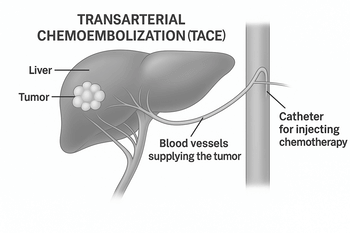
Transarterial Chemoembolization

Who Is It For?

Ideal for patients with:

  • Unresectable primary or metastatic liver tumors
  • Tumors unsuitable for surgical removal or ablation
  • Tumors >5 cm in size or awaiting transplant or ablation

Key Benefits:

  • Focused chemo + blockage increases drug concentration in tumor
  • Minimally invasive with shorter recovery vs systemic chemo
  • Preserves most liver function, repeatable, and may delay progression

Common Uses:

  • Hepatocellular carcinoma (primary liver cancer)
  • Metastatic liver tumors (colon, neuroendocrine, etc.)
  • Bridging therapy for transplant candidates

Why Choose Dr. Apo?

Hospital Affiliations

Clinic Schedule

 Olistico Health Manila
Clinic Schedule

Unit 404, West East Center
1332-1336 Taft Ave, Ermita, Manila
Strictly by Appointment
No Walk-ins Allowed

Tuesday 3PM – 4PM
Friday 3PM – 4PM
Saturday 3PM – 4PM
Olistico Health - West East Center Manila

FAQs: Transarterial Chemoembolization

You’ll likely be asked to stop eating or drinking by midnight before your procedure. Let Dr. Apo know about any medications you’re taking, especially blood thinners. You might also need some basic blood tests beforehand.

Transarterial Chemoembolization is done while you’re awake but sedated—so you’ll be relaxed and won’t feel pain. A small tube (catheter) is inserted through a blood vessel in your groin and guided to the liver. Then, chemotherapy and tiny particles are sent directly into the blood vessels feeding the tumor. This helps block the blood supply and keeps the medicine focused on the tumor.

Most patients stay in the hospital for 1–2 days after the procedure. You might feel tired, have a low-grade fever, or some mild pain or nausea for a few days. That’s normal—it’s called “post-embolization syndrome.” Most people can go back to their usual routine in about a week.

Still have questions about a procedure?

Our team is here to help.